Round tables ate my brain for about a month. They look so friendly in photos, then you set eight chairs around one and realize there is a giant blank middle staring up at you. I kept buying single tall vases. One vase on a round table is a lonely thing. It just sits there.
What actually fixed it was clusters. Three things at different heights, a few low candles, and something printed that gave the eye a place to land. My friend Dana called me in a panic the week before her June wedding asking the same thing, so I have now solved the round table problem twice, once badly and once on purpose.
These are the pieces I would set out again. I print a test of anything paper on plain stock first, prop it against the salt shaker, and look at it from across the kitchen. If it reads from there it reads on the table. A couple of the links here are affiliate links, so if you grab something it tosses a little back to me. Doesn’t cost you a thing.
Heads up, some links here are affiliate links. Grab a template through one and I get a small cut, no extra charge to you.
Roses table number, the piece that anchors the middle
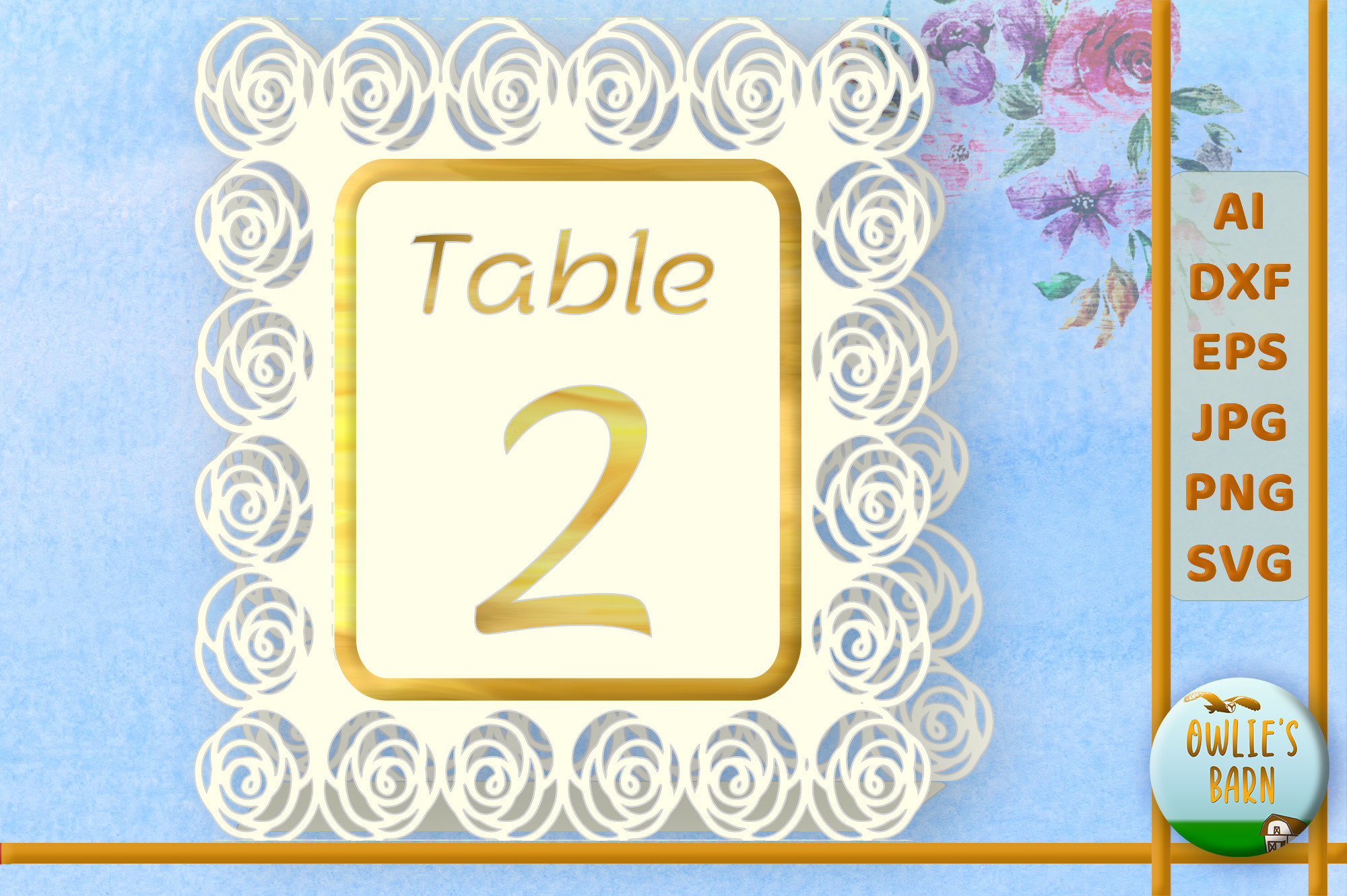
I set this one in the dead center first and built everything else around it. A round table needs a tall-ish thing to break the flatness, and a number standing up in a small frame does that without you spending forty dollars on a sign per table.
Dana used these for twelve tables. We printed them at the FedEx on Calhoun on heavy stock because her home printer makes anything pink look like a sunburn. The roses came out soft, not loud, which is what you want at eye level when people are eating.
One gripe. The number sits a hair high in the frame on the default, so we nudged it down before printing the full batch. One ruined sheet and then it was fine.
Place cards do more work on a round table than anyone admits
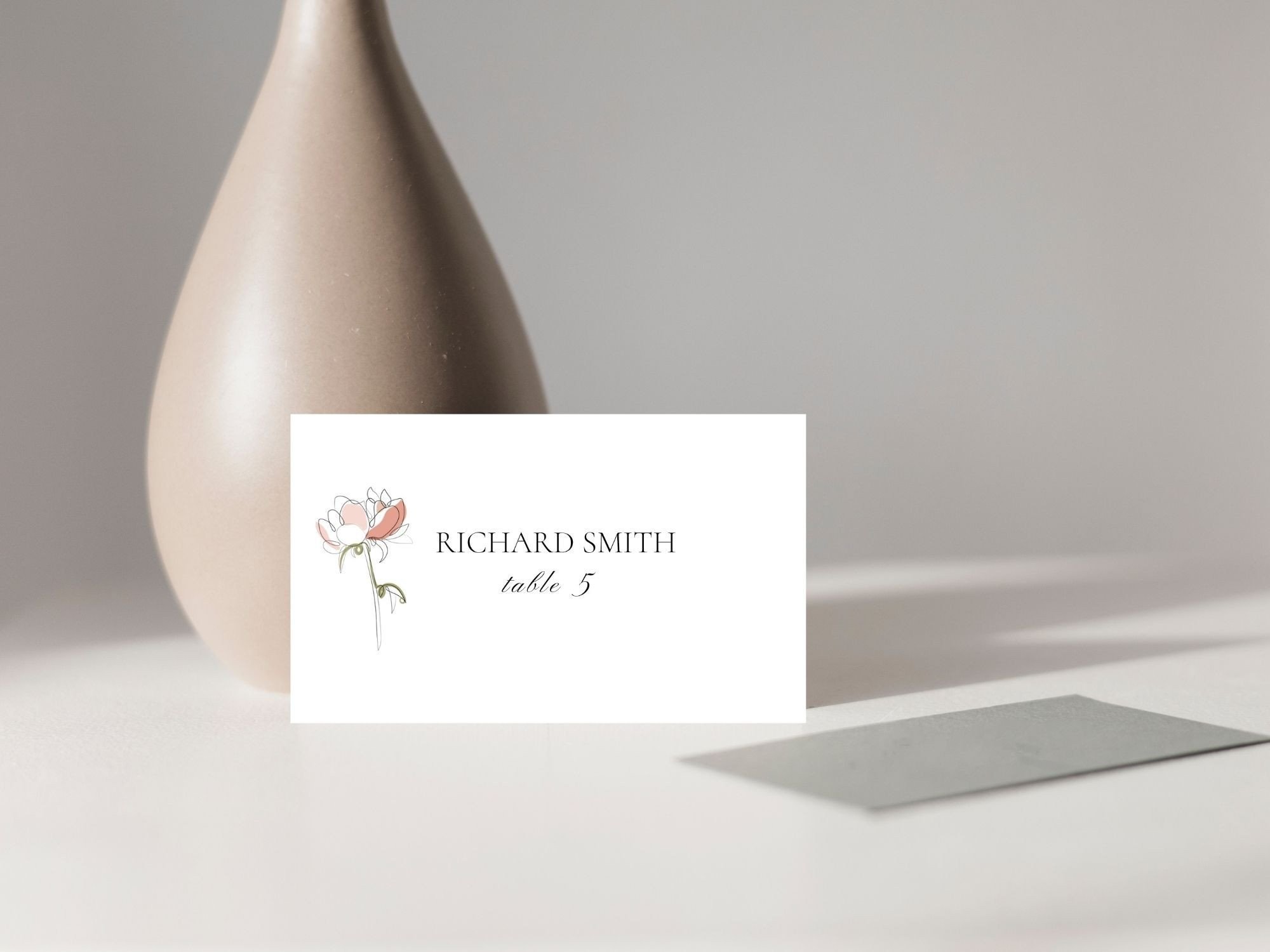
On a long table you can kind of wing the seating. On a round one everybody can see everybody, so a place card at each setting actually stops the awkward shuffle of people not knowing where to sit. It also adds little white marks all the way around the circle, which fills the table way more than I expected.
I handwrote names on mine at my kitchen counter the Tuesday before, ran out of my good pen halfway, and finished the rest with a slightly different black that nobody noticed in candlelight. You type the table name and print, then add names by hand or print those too.
My one note, fold them before you write or the crease pulls the ink. Learned that on card four.
Rattan number signs for the tables that needed more texture
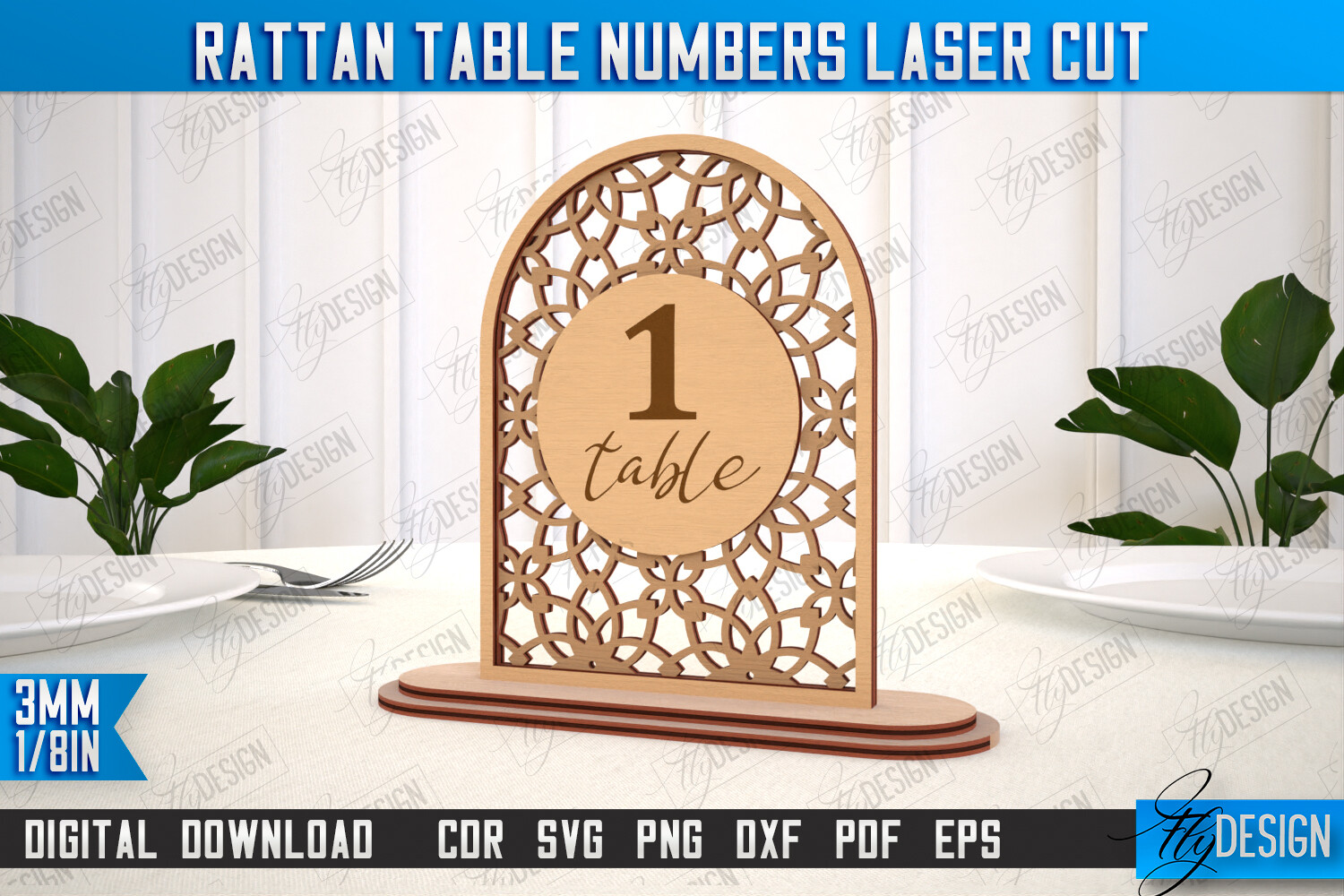
Half of Dana’s reception was outside under string lights, and the painted rose numbers looked a touch formal out there. So we swapped in these rattan-style numbers for the patio tables. Warmer. They photographed like real woven signs even though they came off the same printer.
We stood these in little acrylic holders we already had from a baby shower, of all things. No frame needed. On a round table the woven texture catches the light and gives the center some weight so it isn’t just a flat picture standing up.
Gripe, the tan tone prints darker than the screen shows. Bump your brightness or it goes muddy. I wasted two before I caught it.
Grey watercolor as the quiet base under everything
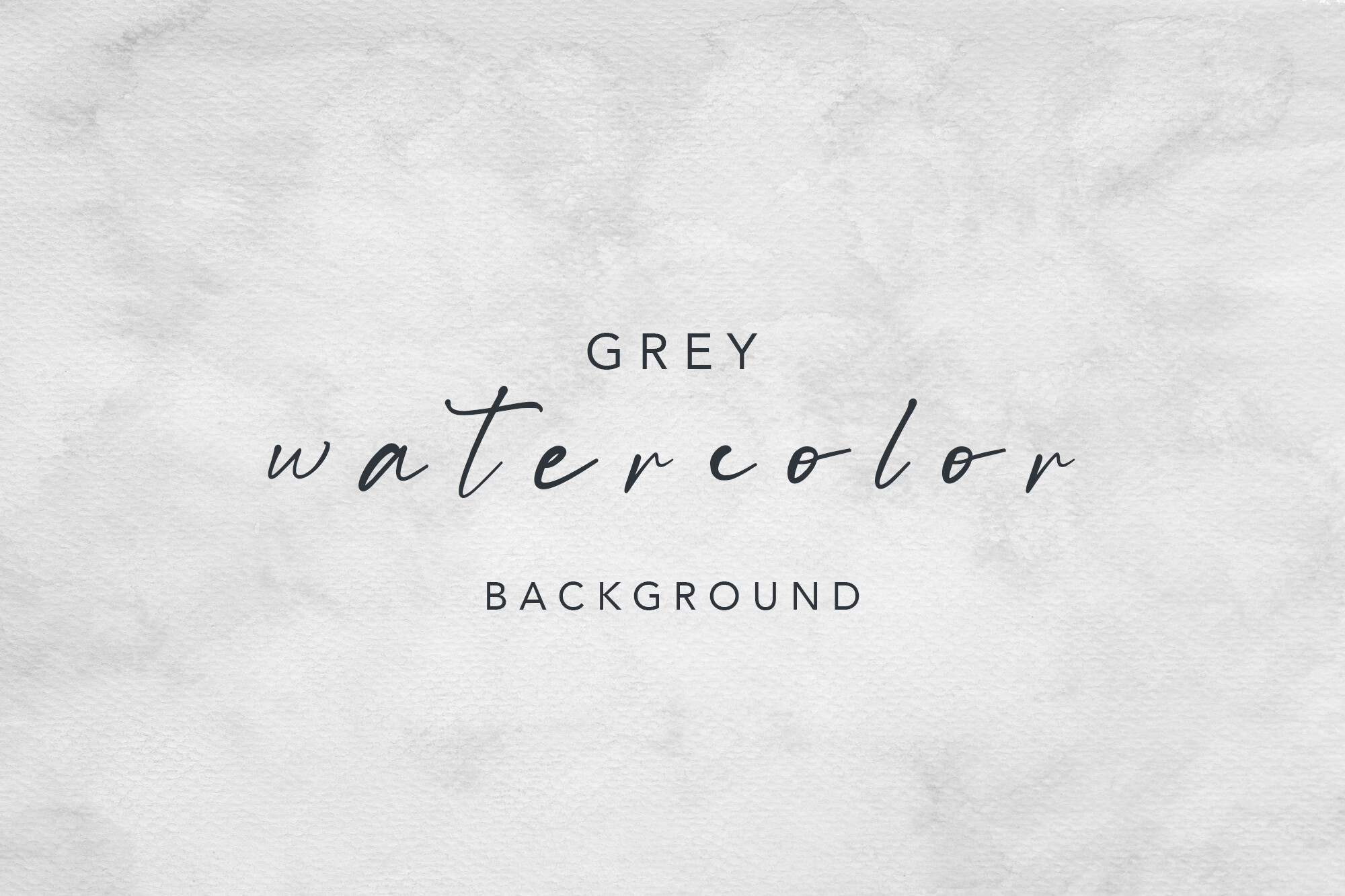
This is the one I reach for when a table is already busy and I do not want the paper goods to fight the flowers. I printed the menus on the grey wash and they sat under the centerpiece without yelling for attention. Soft, a little cloudy, kind of like the sky the morning of my own wedding actually.
You can run it behind table numbers, menus, a little thank-you note at each seat. On a round table I like it on the small stuff because the round shape already pulls the eye to the middle, so the edges can stay calm.
Watch the ink though. A full grey background drinks cartridge fast. I printed mine at the copy shop on Beechwood to save my home printer the misery.
Blue watercolor for the tables that wanted a little color

Dana’s bridesmaids wore this hazy blue and she wanted it echoed somewhere small. Backgrounds were the answer. We dropped the blue wash behind every other table’s numbers so the color moved around the room instead of sitting in one corner.
I tested it behind a place card on plain paper first, taped it to the cabinet, and lived with it a day before committing. Held up. The blue stays soft instead of going neon, which the cheaper ones never manage.
One catch, it reads cooler in print than on screen. If your flowers are warm tones it can clash a hair, so print a test next to an actual bloom before you commit a stack.
Yellow watercolor, the one I almost skipped and didn’t

I was nervous about yellow. Yellow can go from sunshine to highlighter real quick. But for a daytime garden setup it was lovely, warm without being loud, and it made the white place cards pop on the round tables instead of disappearing into the linen.
We used it under the menus for a brunch reception my coworker threw last spring. Printed at home, no copy shop that time, and it behaved. Eight settings per round table and the yellow tied the circle together without me having to buy a single extra flower.
My gripe, go light on the saturation slider. At full strength it veers mustard. One dialed-back pass and it was exactly right.
Orange watercolor for the fall round tables

My neighbor got married in October and wanted that burnt, leafy warmth without a thousand real pumpkins on every table. This orange wash did it. We ran it behind the table numbers and the little dinner menus and the whole round table read autumn from across the barn.
I printed a test, propped it against a candle on her counter, and we both went yep on the spot. It is more terracotta than traffic-cone, which is the orange you actually want at a wedding. Soft enough to live near food.
One note, pair it with cream paper, not bright white. White makes the orange look like a flyer. Cream stock and it suddenly looks intentional.
The Questions I Get Most
How do I decorate round tables?
Honestly? Stop thinking about one big centerpiece and start thinking in groups. I learned this when my single tall vase looked sad and abandoned on a round table during a test run in my dining room. Three things of different heights in the middle, a few low candles spread out, and printed numbers or menus at the settings. The cluster fills the circle. One object never will.
The other trick is using the place cards and small paper goods to mark the whole rim of the table. White cards all the way around make the table feel set even before food shows up.
What centerpiece height works?
Either low enough to talk over or tall enough to see under. The killer is the middle zone, right at face height, where people end up dodging a vase to make eye contact across the table. I sat my mom at a test table with a medium arrangement and she leaned sideways the whole time to chat. Lesson taken.
So I go low, around six to eight inches of flowers and candles, or I go tall on a skinny stem so the bloom floats above everyone’s heads. On a round table where everyone faces in, this matters more than it does on a long one.
How do I fill a round table?
Layers and repetition. A round table has that wide open center, so I work outward, big thing in the middle, candles ringing it, then numbers and menus and place cards at every seat. Dana and I filled twelve tables this way and ran out of nothing fancy.
The cheat I always tell people is printed backgrounds behind the paper goods. A grey or blue wash under the menus adds color and texture to the table without you buying another single flower. It pulls the whole circle together for the price of a little ink.
One Last Thing
Round tables stopped scaring me the second I quit hunting for the one perfect centerpiece and just started layering small stuff that I could print myself. Heights, candles, paper goods at every seat, a colored wash under the menus when a table looked bare.
Print your tests first. Prop them up, walk back, squint. If it reads from the doorway it reads at dinner, and you will have spent a fraction of what the rental catalogs wanted. Dana texted me a photo of her tables at the end of the night and you would never guess half of it came off a home printer.